
Chocolate Fish & Closing the Gender Pay Gap
Why We’re Talking About the Gender Pay Gap (and What Chocolate Fish Have to Do With It)
Rural Women New Zealand is continuing its advocacy on behalf of its members through raising awareness of the gender pay gap and what it means for rural communities across Aotearoa. RWNZ is also supporting STILL Minding the Gap’s petition to get the Government to introduce pay gap reporting in Aotearoa New Zealand: Sign the petition here.
The gender pay gap is the difference between the average earnings of women and men. In New Zealand, that gap currently sits at around 5.2%. While that’s the lowest it has ever been, it hasn’t disappeared, and it doesn’t affect everyone equally. For Māori, Pacific, Asian, and disabled women, the gap remains significantly wider.
Although factors like occupation, education, and part-time work play a role, they only explain around 20% of the gap. The remaining 80% is driven by things like bias, discrimination, and differences in opportunity and progression.
These are conversations that have been coming up more frequently through our work with members and partners. There is often uncertainty about what the pay gap actually means in practice, and whether it applies in rural settings, particularly for small or family-run businesses.
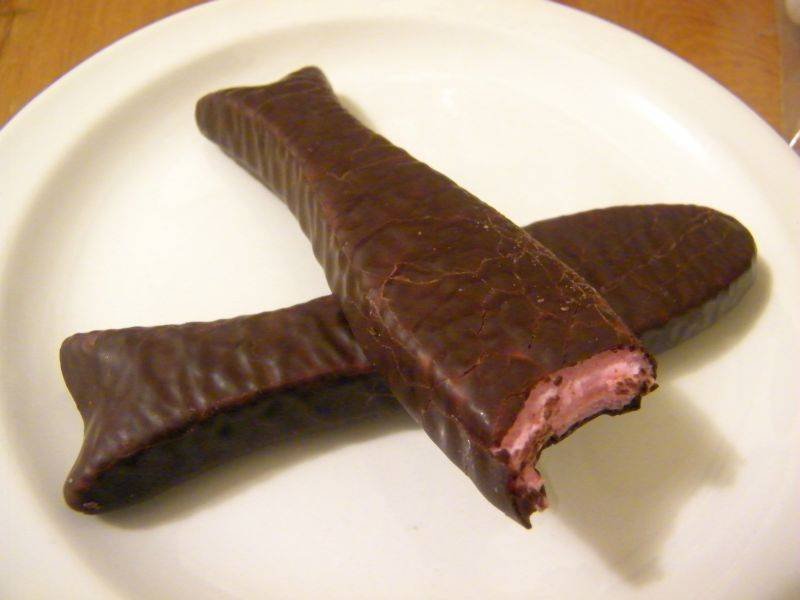
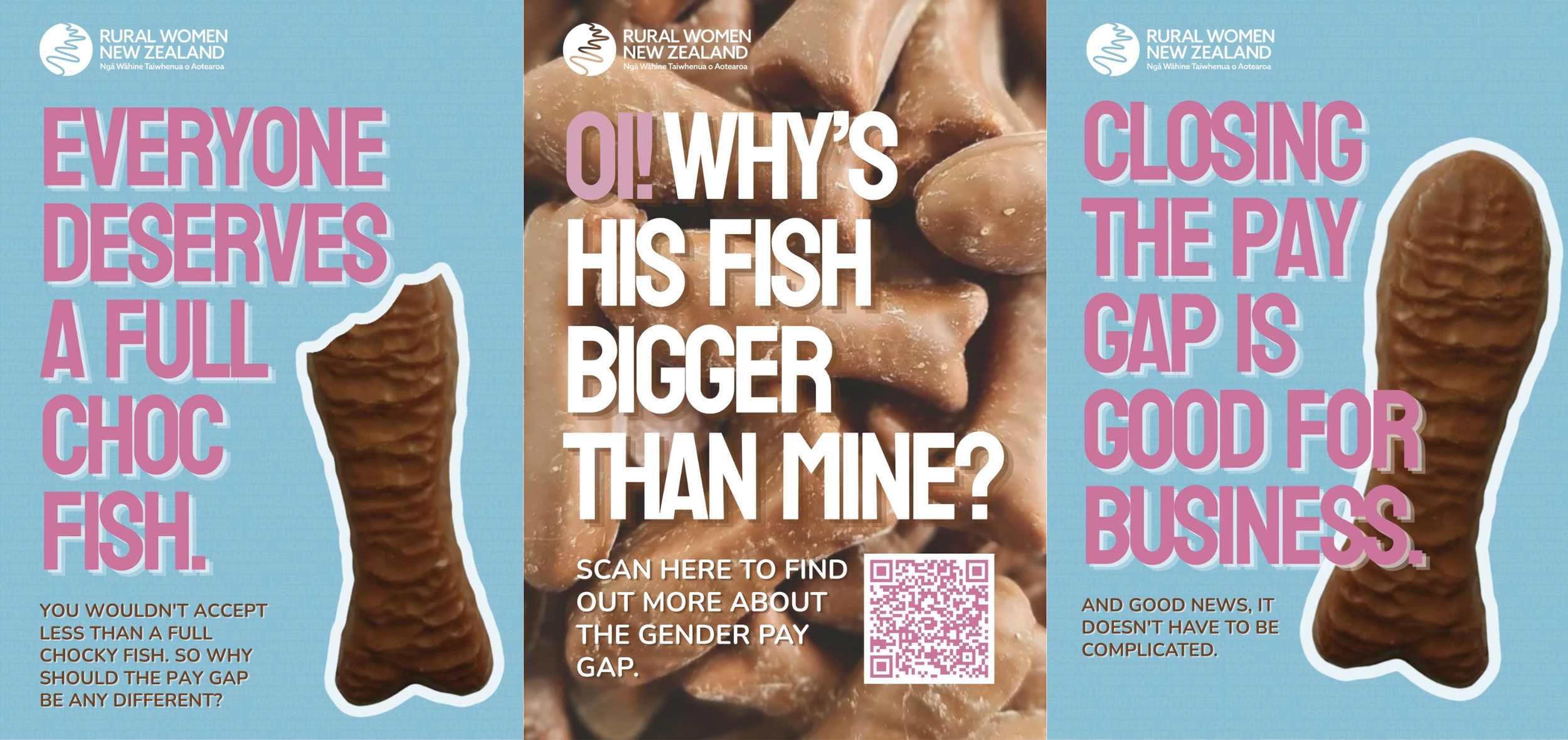
This campaign takes a simple, relatable approach to help bring the issue to life. Using a familiar Kiwi symbol, the chocolate fish, it highlights the idea of receiving “a little less,” making an otherwise abstract concept easier to understand and talk about.
The goal is not to prescribe solutions, but to start conversations. Whether you’re part of the rural workforce, running a business, or supporting your community, understanding the pay gap is a useful first step. For some, it may prompt a shift in perspective; for others, it may lead to a closer look at how pay and opportunities are experienced within their own workplaces.
Why it matters for rural Aotearoa
Even where pay gaps appear smaller in some rural industries, they don’t tell the whole story. Experiences vary widely depending on role, region, and identity, and for Māori, Pacific, Asian, and disabled women, pay gaps remain significantly higher.
For Rural Women New Zealand, this is about ensuring everyone has access to fair opportunities, recognition, and reward—no matter where they live or work.
It’s also about supporting our communities with the knowledge and tools they need to make informed decisions, without judgment or pressure.
Learn more
If you’re interested in learning more or exploring practical tools and resources, you can start here:
By building awareness and starting conversations, we can all play a part in creating fairer, more inclusive rural communities.